How Do You Sell Something People Don’t Understand?
My journey building Fugo, a plant-based nutrition startup reimagining how India thinks about convenience and health.
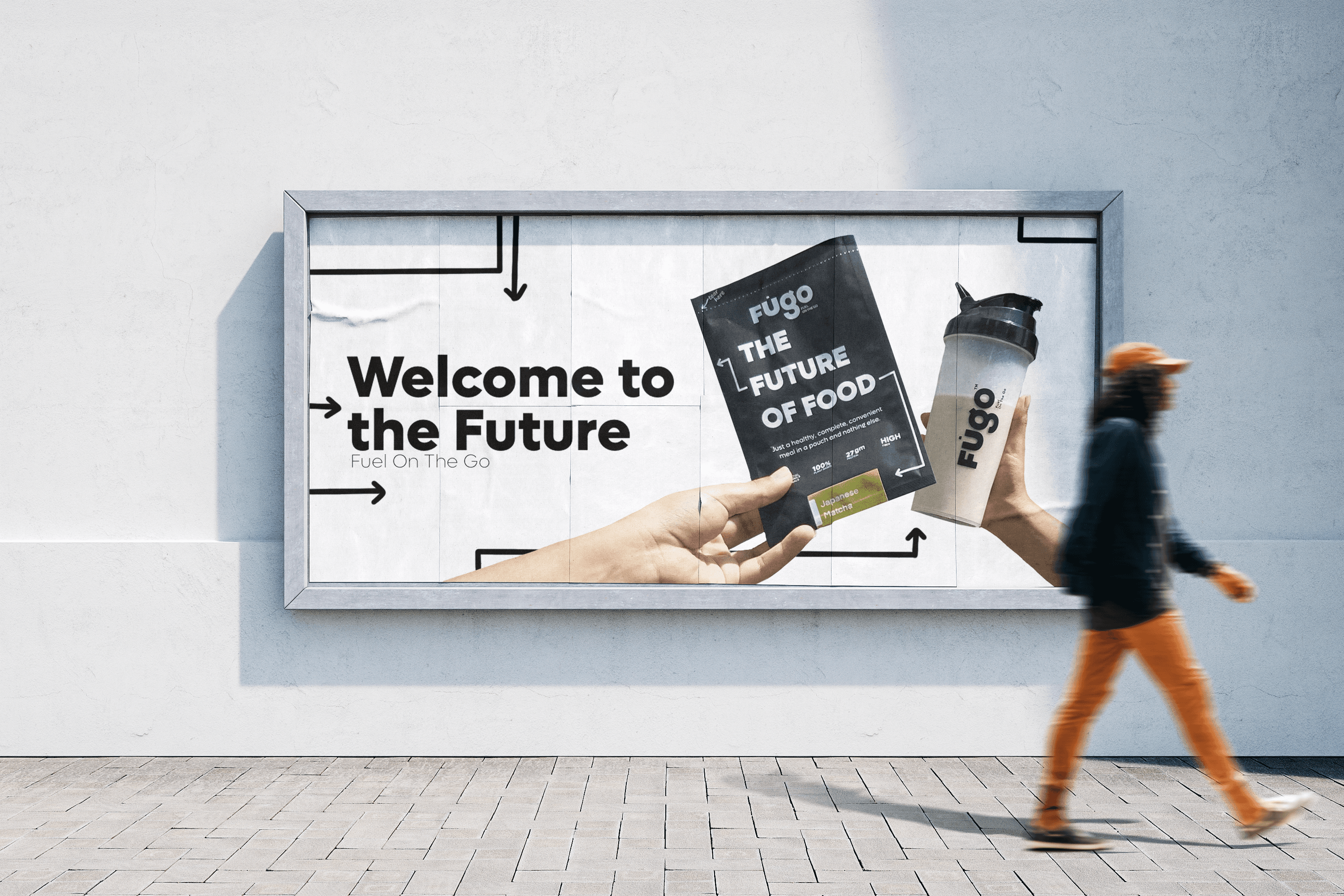
Building Fugo wasn’t just about launching a product. It was about challenging stigma, navigating cultural resistance, and proving that a values-first business could exist in a skeptical market.
When we started Fugo in 2022, India wasn’t exactly ready for us, at least, not in the way we imagined.
Meal replacements already had a reputation here. They were seen as diet gimmicks: low-calorie, filler-heavy shakes that left people hungry and mistrustful. From day one, we knew we didn’t want to be part of that story. We weren’t trying to make people feel insecure about their bodies or trick them into eating less.
We wanted to build something that gave more — more nutrition, more convenience, and more joy.
It started with frustration. We saw a gap: convenient, plant-based nutrition for busy people who didn’t want to compromise on health.
Our first version was a powdered meal shake. We mixed, packaged, and launched it in a rush of optimism — sending out small test batches in generic pouches.
But almost immediately, reality set in.
How do we get them to trust us?
People didn’t really understand what we were offering. Some thought it was another fad diet product; others questioned if it was even safe. To many, a packaged meal felt unnatural — almost suspicious — in a culture where food is tied to freshness, ritual, and trust.
In India, food is deeply cultural, tied to freshness, tradition, and trust. Asking people to swap that for something unfamiliar, something they couldn’t see being made in front of them, was a huge ask. Their hesitation wasn’t about us personally, but about the entire category we were entering.
We realized that people weren’t rejecting our product; they were rejecting what they thought the category stood for.
key INSIGHT
This wasn’t a product issue, it was a perception issue.
We needed to build trust around a product
people had no mental model for.
How do we educate a market………..?
We realized early on that we couldn’t just sell the product — we had to educate a market that didn’t yet know how to use it. But how do you even start that?
At first, our naivete made us think it would be simple. Make it look nice, people will get it eventually. We imagined curiosity alone would carry the message.
Reality hit quickly. Pushback poured in. People didn’t understand the concept, questioned the value, and often dismissed it outright.
So we shifted. Instead of leaning on the term “meal replacement”, which carried stigma, We wanted to remove the term “replacement” because we technically weren’t trying to replace anything. So we came up with our own category of Mealshakes.
We also started highlighting versatility: smoothie bowls, cakes, other sweets, savoury snacks. Every piece of content became part education, part inspiration.
Social media played a huge role in this effort. Through reels, posts, and TikToks, we not only shared recipes and product tips but also showed real faces behind the brand. Our ads were designed to be relatable, approachable, and human. It shared our journey, our mistakes, and our process, so people could see that we were listening and genuinely wanted to help them.
We also explained the why behind our choices: why ashwagandha, why protein, why plant-based. The goal was simple: make Fugo relatable, human, and approachable, and show that we were listening every step of the way.
How do we compete with Pricing?
Pricing was another obstacle. We weren’t just competing with “healthy” alternatives — we were competing with fresh street food made in front of you, at one-tenth the price.
Through a competitive mapping exercise, we learned that we’d never win on cost. So we reframed value. Instead of positioning Fugo as an alternative to food, we positioned it as an investment in wellbeing — a health-forward, premium supplement for people who valued convenience and nutrition.
That clarity helped us narrow down our audience and craft a story that resonated.
Insight: Value isn’t just price — it’s relevance.
Iteration, Always (needs to be called something else)
Our process became a cycle: test → listen → refine → repeat.
We launched limited runs, collected feedback through surveys, conversations, and community tastings, then iterated. Every tweak — whether in flavor, texture, or packaging — came from real user insights.
Some weeks felt like three steps back for every one forward. But in that loop, we learned how to educate, how to frame value, and how to listen.
Insight: Iteration wasn’t just about the product — it was about the story we told and the context we created for adoption.
(Visual: early packaging vs. final product, feedback notes, reformulation snapshots)